
Real talk forpeople who love their horses
Stories, hard-won lessons, and practical help for the daily realities of horse ownership — written from the barn aisle, not a boardroom.
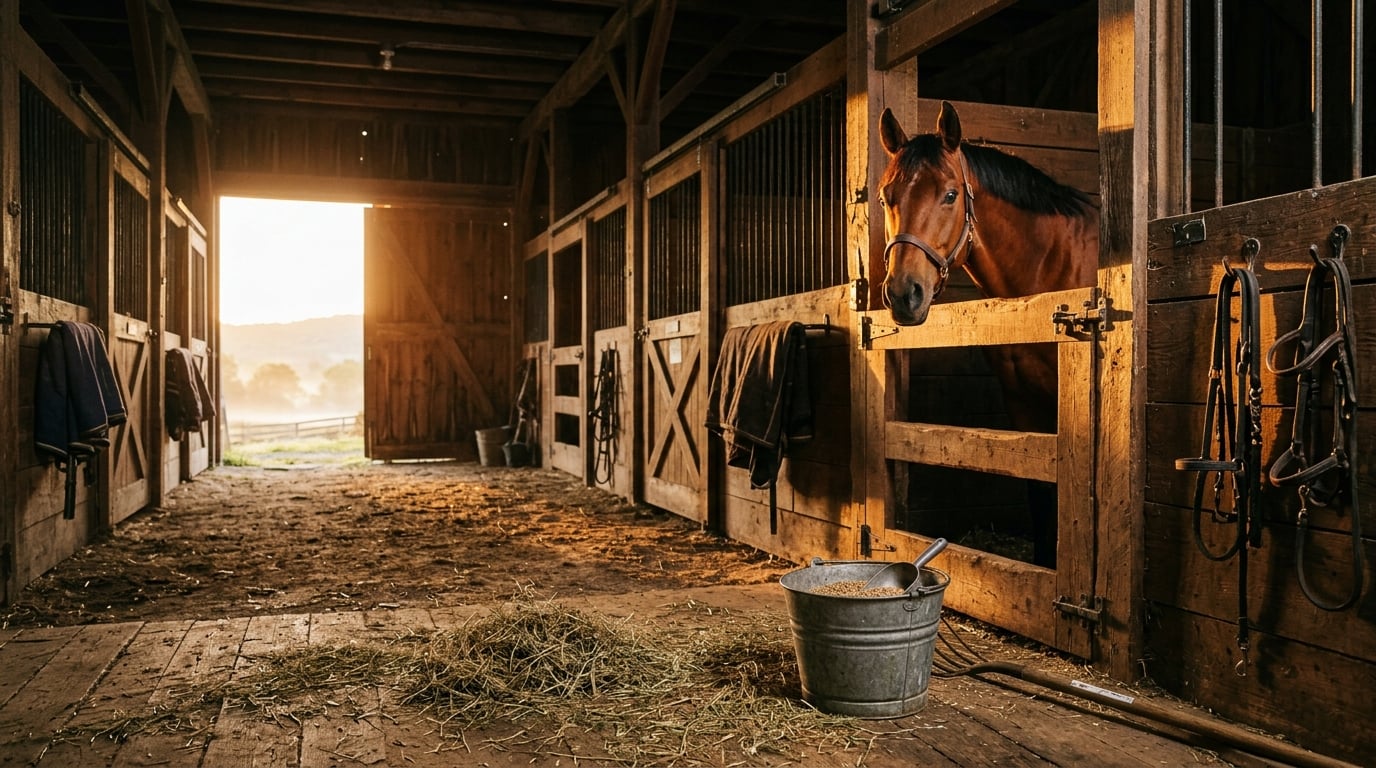
The Morning Feed Routine That Saves Your Sanity
The difference between a morning that flows and a morning that unravels is almost never about how many horses you have. It is about whether your routine is built to run even when you are tired, distracted, or short a set of hands. Here is the feed routine that finally gave me my mornings back.
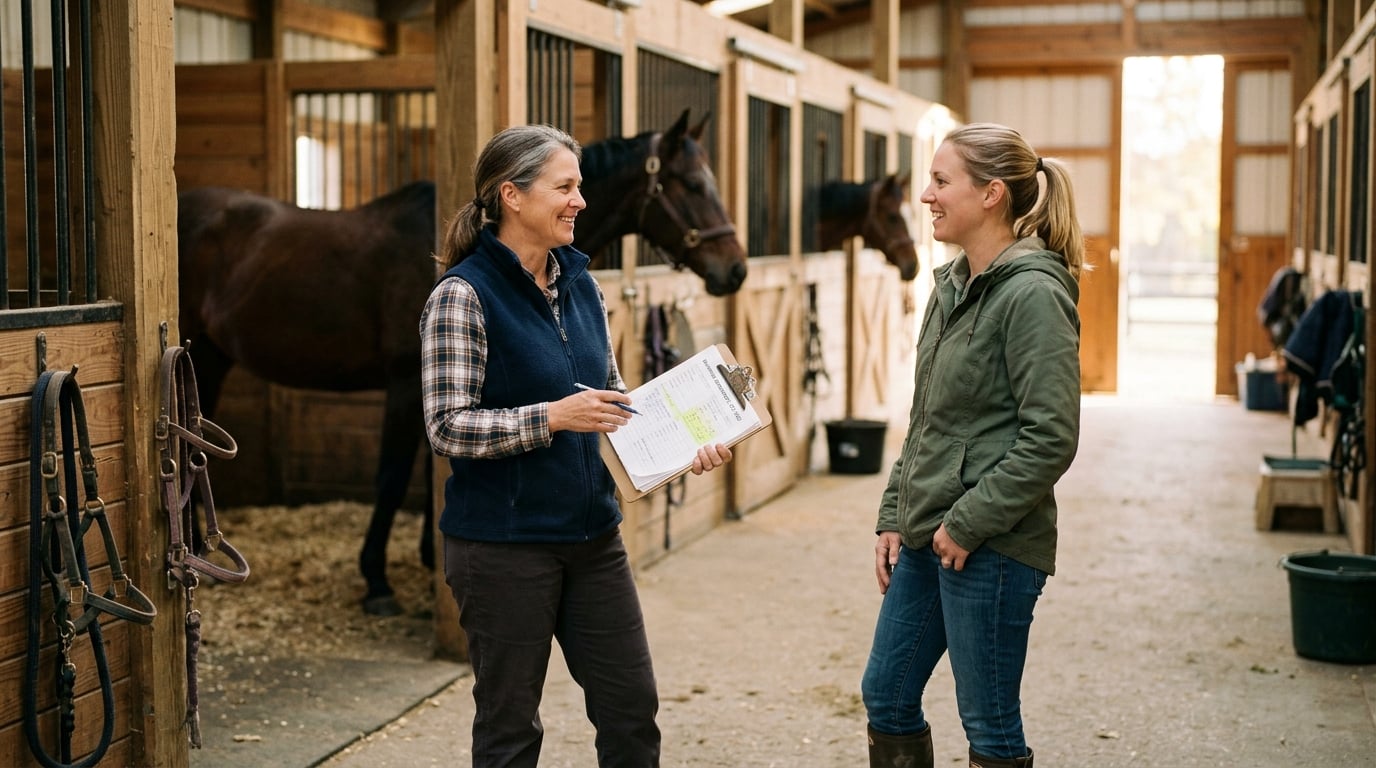
The Boarding Contract Conversation No One Wants to Have
A good boarding contract is not about distrust. It is the kindest thing you can do for a relationship you actually want to keep — because the conversations that go sideways are almost always the ones you never had up front. Here is how I learned to have the awkward talk before it becomes an awkward problem.
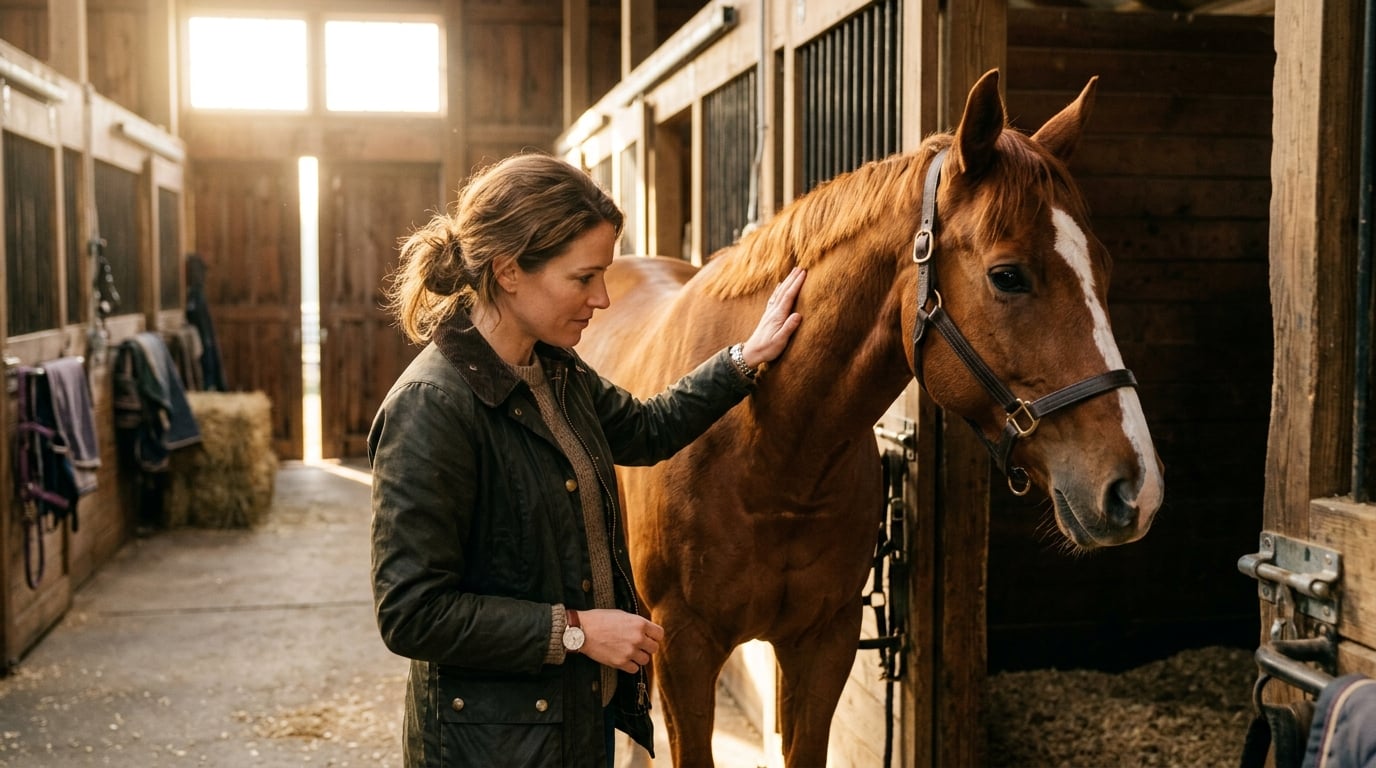
"Is It Colic, or Am I Overreacting?" — Reading the Early Warning Signs
Every horse owner knows the little jolt of fear: your horse is lying down at an odd time, or pawing, or just standing funny — and your brain goes straight to that six-letter word. Here is how I have learned to tell the difference between "keep an eye on it" and "call the vet now," without either panicking or talking myself out of trusting my gut.
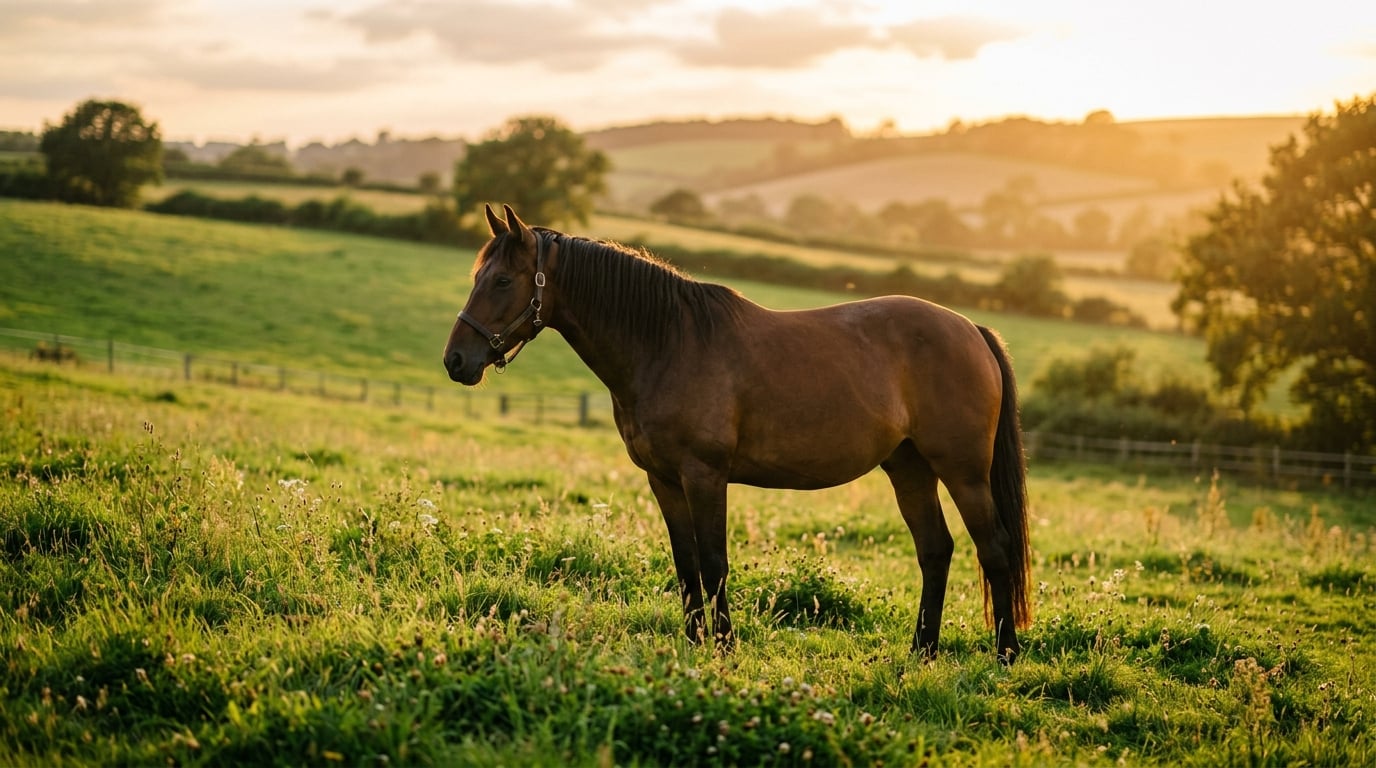
The Quiet Pain: Understanding Equine Ulcers Before They Become a Crisis
They do not limp. They do not bleed where you can see it. A horse with gastric ulcers just gets a little quieter, a little pickier, a little harder to read — and by the time you are sure something is wrong, the ulcer has been burning for weeks. Here is what I wish I had known sooner.
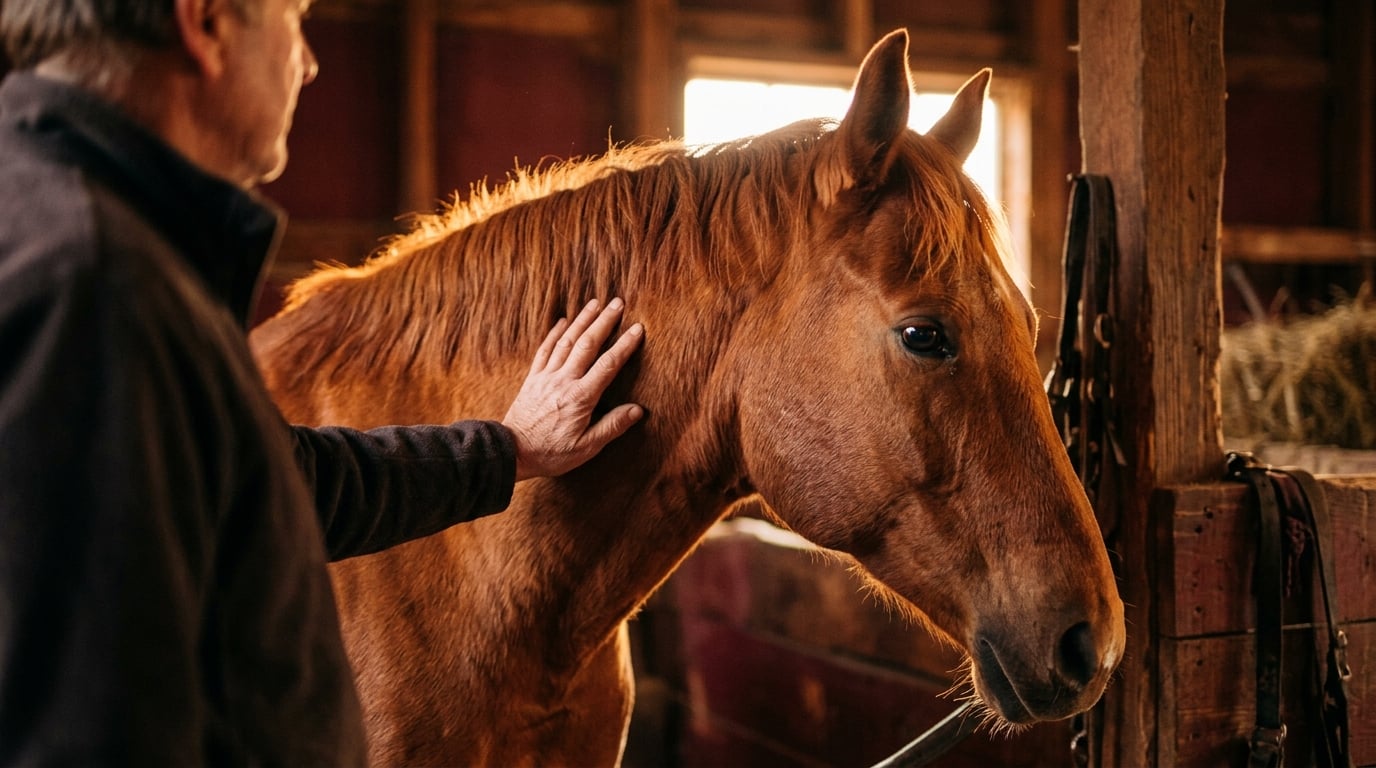
The Day I Learned to Trust the Small Stuff
He was not sick. He was just a little off — a little quiet, a little less interested in breakfast. Everything I know about catching problems early, I learned from the days it turned out to be nothing, and the one day it did not.
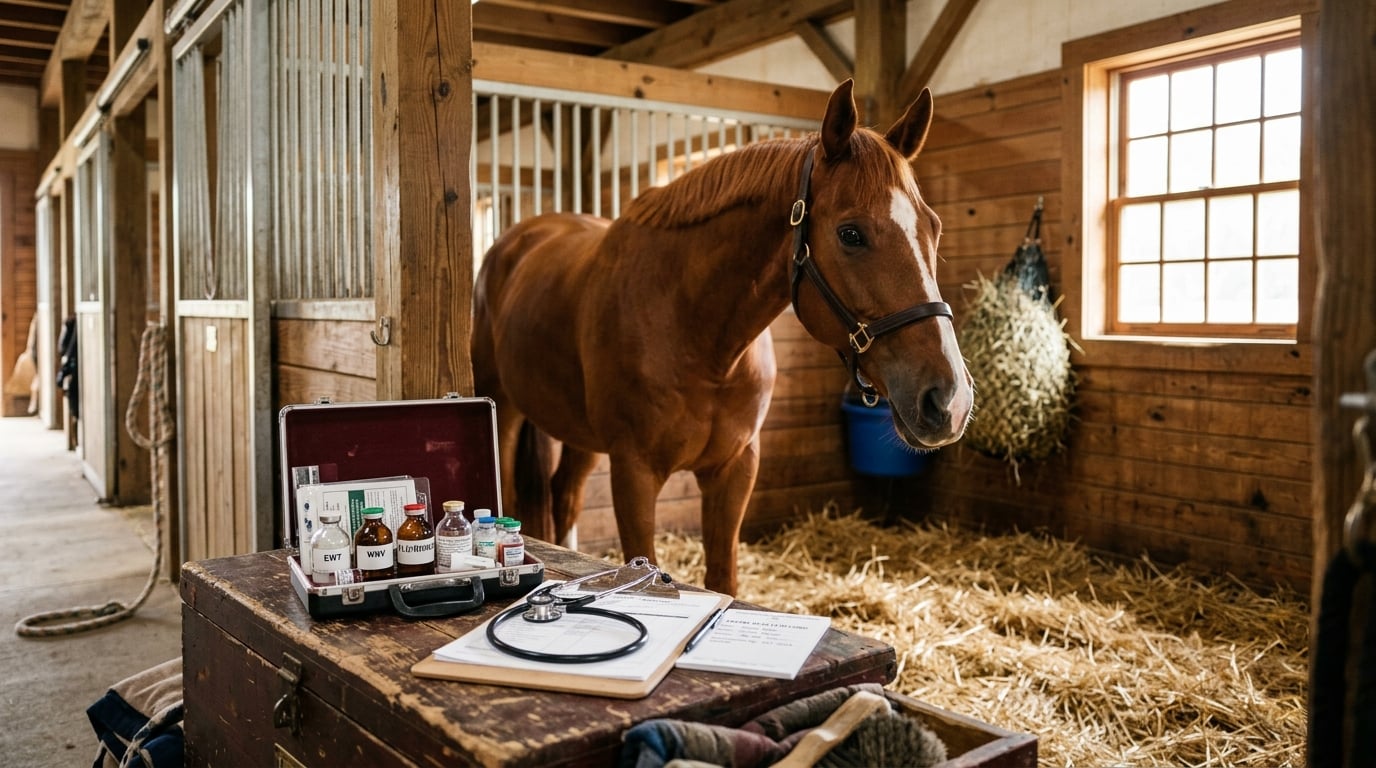
Core, Risk-Based, and the Paper You Always Lose: A Calmer Way to Think About Vaccines
Core versus risk-based, spring versus fall, annual versus twice a year — vaccine season can feel like a pop quiz you did not study for. And then there is the record the vet handed you that has since vanished. Let us make it feel manageable.
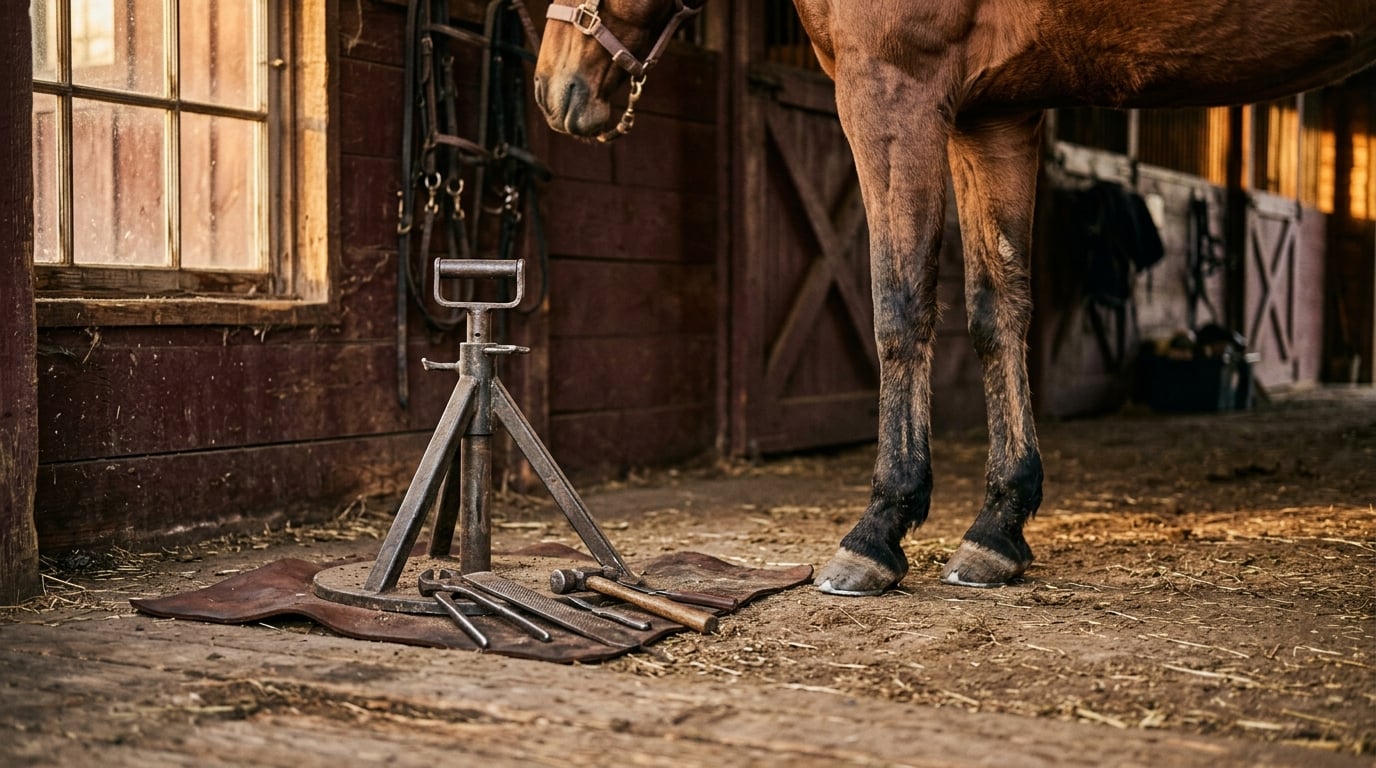
When Is He Due Again? Making Peace With the Farrier-and-Vet Juggle
Six weeks or eight? Did the farrier ever text back? Is the spring shots appointment actually on the calendar or just in my head? If the scheduling juggle wears you down more than the actual work, you are not alone.
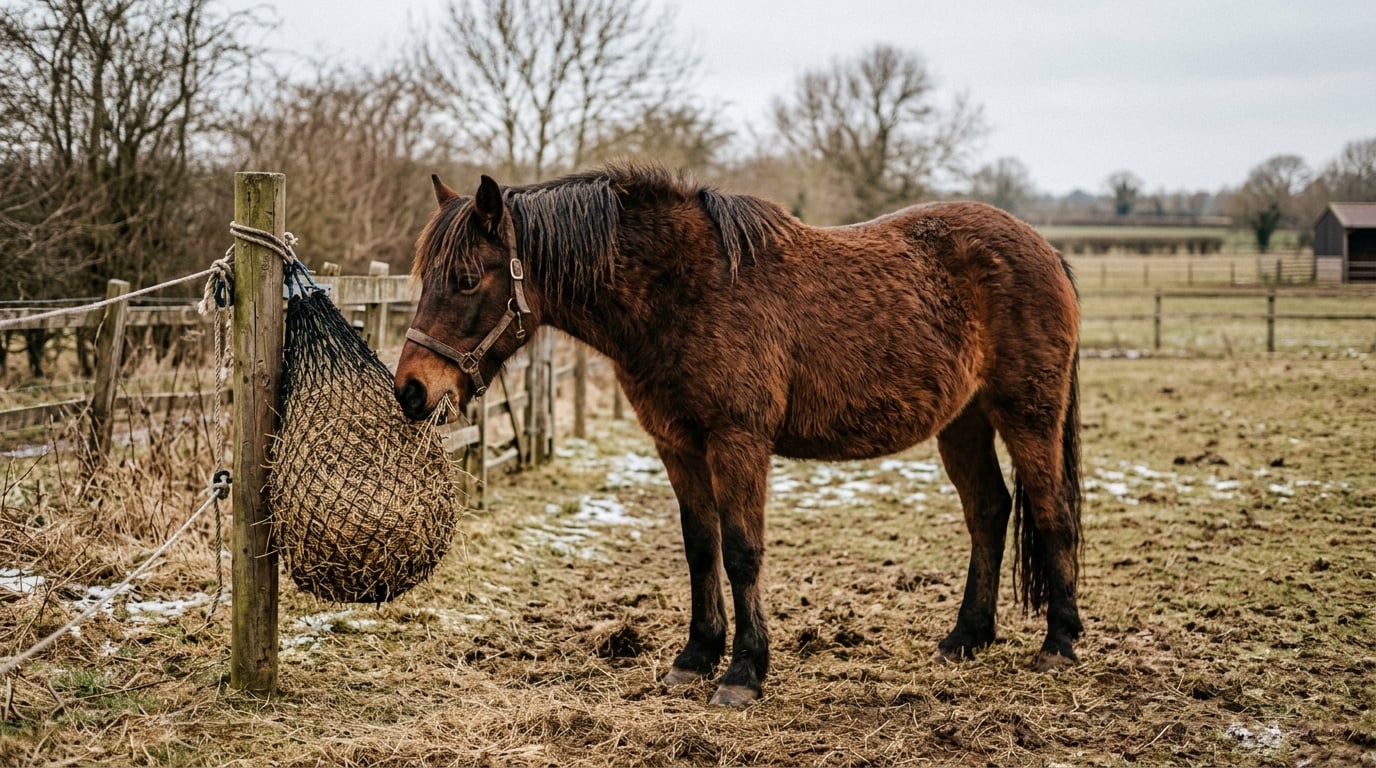
Feeding the Metabolic Horse Through the Seasons
Spring grass, winter hay changes, the summer grazing muzzle debate — feeding an insulin-resistant or Cushing’s horse means the seasons matter as much as the scoop. A practical, no-judgment guide.
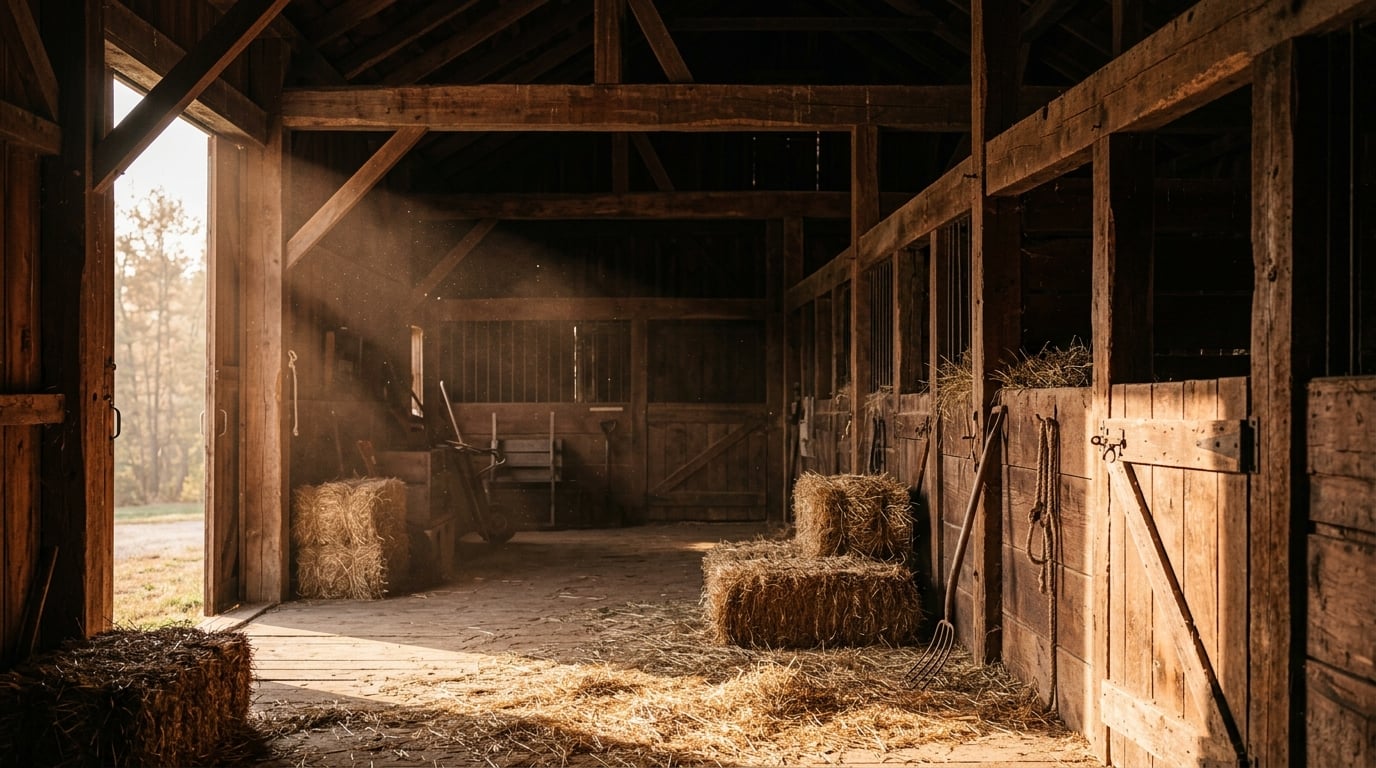
The Mental Load of Barn Ownership No One Warns You About
It’s not the mucking or the early mornings that wear you down. It’s the invisible checklist running in your head at 2am — whose vaccines are due, did the farrier get scheduled, is the bute running low. Let’s talk about it.
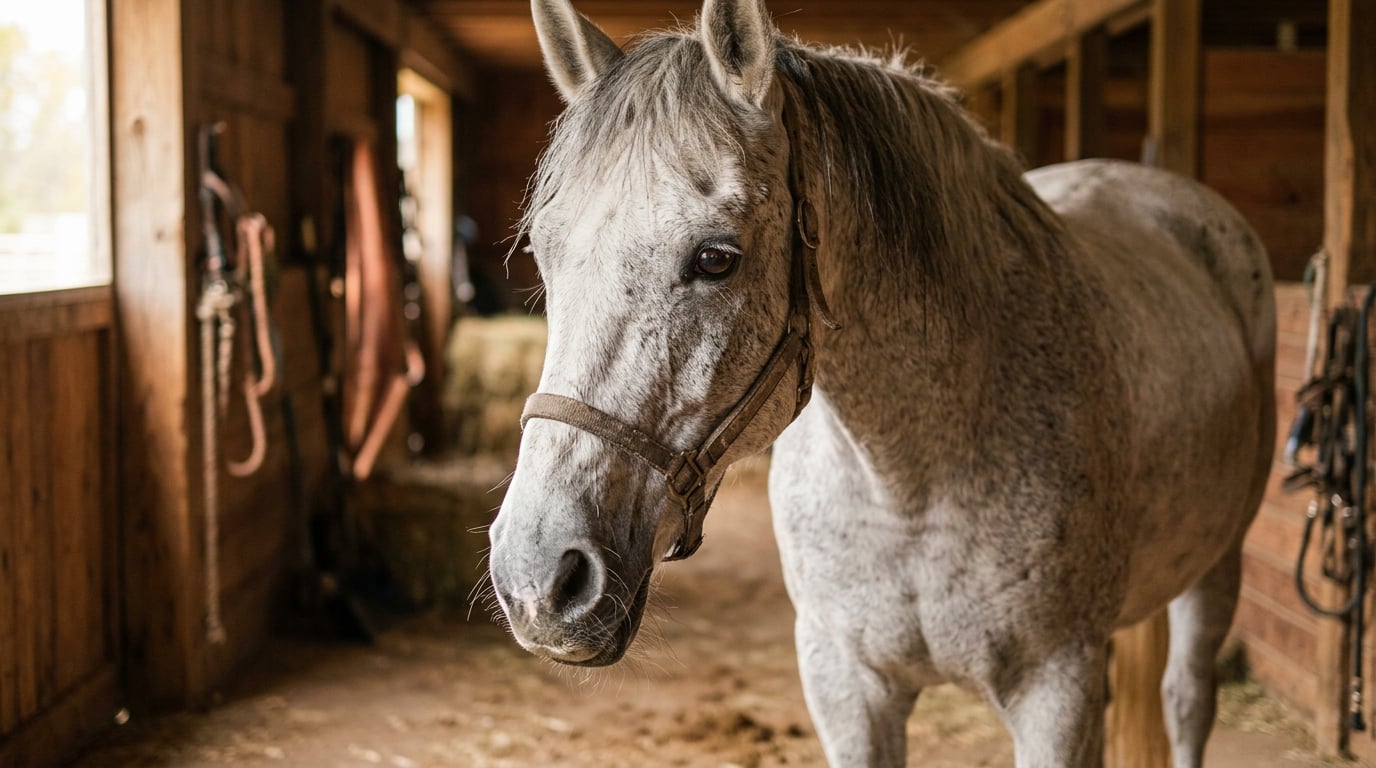
When Your Heart Horse Gets Older: Living With Cushing’s and Insulin Resistance
The moment you notice the coat that won’t shed out, the topline that’s softened, the cresty neck that wasn’t there last year — aging hits different when it’s your horse. Here’s what has helped me care for the older ones with dignity.